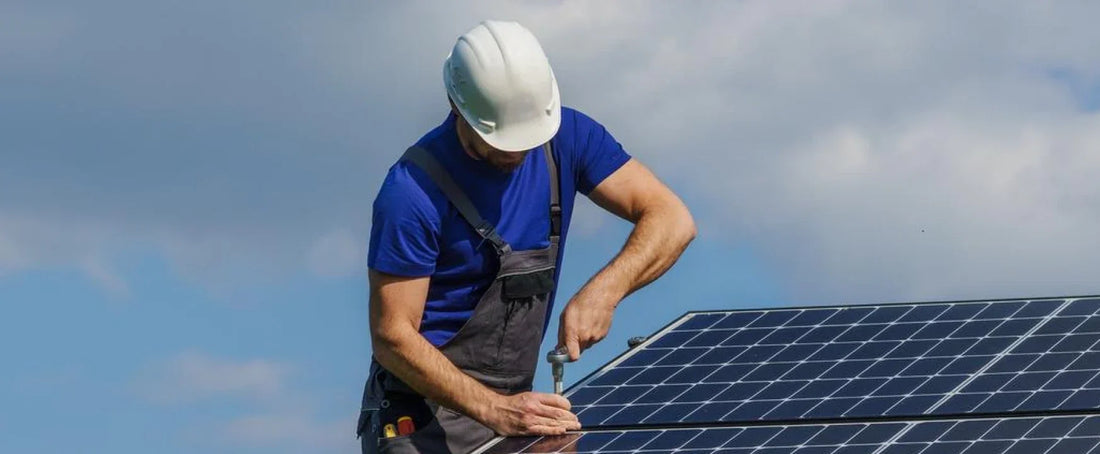
The U.S. roofing industry is moving towards a smarter, more integrated, and sustainable future. This transformation envelops the entire process, including how roofs are measured, inspected, installed, and managed over time. Roofing technology trends in 2026 range from AI-powered inspections and drone-based measurements to self-healing shingles and green roofing systems reshaping urban landscapes across the United States.
These transformations are already taking place at job sites, in commercial facilities, and in residential buildings across the country. Let’s discuss the roofing technology trends that U.S. homeowners and contractors should know.
The New Era of Advanced Roofing Technologies
The roofing technology trends aren't just limited to materials. Digital tools, automation, and data-driven workflows are helping contractors complete projects faster, reduce risk, and make more informed decisions at every stage of the job.
Drone Technology for Measurements and Inspections
Using ladders for manual inspections seems impractical now, as drone technology is taking over roof assessments across the U.S. Drones capture high-resolution aerial imagery that feeds directly into measurement platforms, delivering precise square footage, roof pitch calculations, and complete material estimates in minutes. Accuracy improves, assessment time decreases, and most importantly, safety risks are significantly minimized.
According to OSHA, one-third of all construction fatalities result from falls from elevation, making remote inspection technologies increasingly valuable.
Satellite Measurements for Remote Quotations
Satellite-based digital roof measurement tools enable contractors to generate detailed roof reports without a physical site visit. With easy access to area, pitch, dimensions, and material-requirement estimates, roofing experts can cater to high-volume operations and storm-damage responses with utmost speed and efficiency.
AI-Powered Damage Detection and Predictive Maintenance
At present, AI is embedded at multiple points of the roofing workflow. AI-enabled platforms analyze roof shapes and storm damage from aerial imagery to inform material requirements.
Predictive maintenance is a major facet of this technology, analyzing historical data and environmental conditions to flag potential roof failures. With this approach, commercial facility managers can proactively schedule maintenance and control costs, and contractors can develop data-driven, competitive bids to maintain a market advantage.
Advanced Adhesives to Address the Labor Shortage Problem
High-performance adhesive systems are a practical solution to the persistent labor shortage issue in the U.S. roofing industry. With less physical labor and a shorter installation time, modern adhesive technologies deliver bonds that match or exceed those of traditional mechanical fastening. For contractors with small crews, this directly affects how many jobs they can complete each week.
Connected Platforms Instead of Separate Tools
Roofing-specific platforms are bringing together inspection, measurement, estimating, contract generation, material ordering, and payments into a single, unified system. This transformation leads to fewer manual errors, reduced administrative tasks, increased efficiency, and more consistent project outcomes.
While roofing technology trends are improving roofing operations, material innovations are redefining roof performance.
Emerging Roofing Material Innovations to Watch This Year
Beyond operational innovations, new materials, coatings, and integrated systems are helping roofs last longer, perform better, and support sustainability goals.
Advanced Roof Restoration Over Full Replacement
One of the most significant emerging trends in commercial roofing technology 2026 is the adoption of restoration as a primary strategy rather than full tear-off. It is no longer necessary to replace every worn roof, whether it is metal, single-ply, or built-up. Modern coatings and restoration systems can extend the service life of existing roofs at a fraction of the cost of replacement.
Self-Healing Shingles for Long-Term Maintenance Efficiency
With thermoplastic additives, self-healing roofing materials can respond to heat and sunlight, automatically sealing minor surface damage. It's one of the more quietly impactful innovations in roofing technology trends, as it directly extends the roof’s lifespan without manual intervention. This results in fewer maintenance rounds and longer warranties.
Reflective Shingles and Cool Roof Breakthroughs
The latest roof coating innovations and reflective shingles can reduce roof surface temperature by up to 50°F, which exceeds 150°F in summer. Additionally, cool roofs can reduce annual energy loads by up to 14% in tropical climates and 22% in subtropical climates, lowering energy bills and extending HVAC lifespan.
Solar-Integrated Roofing is Becoming the New Normal
The demand for solar shingles, designed to mirror the aesthetics of standard roofing materials, is skyrocketing for both residential and commercial projects. While the initial costs are higher, conventional roofing systems become affordable when you factor in energy savings and government incentives. For example, the U.S. Inflation Reduction Act provides a 30% investment tax credit for eligible solar installations, reducing the financial burden for homeowners and commercial developers.
Sustainable Green Roofing is Taking Center Stage
This is one of the fastest-growing roofing technology trends in the commercial sector. Green roofs are living systems with soil and vegetation layers that manage stormwater, reduce the urban heat island effect, and improve insulation.
With advanced protection against UV exposure and temperature fluctuations, green roofs keep surface temperatures 56°F lower than traditional roofs and reduce nearby air temperatures by 20°F. Moreover, researchers discovered that green roofs can absorb 45% of rainfall during storms, delaying peak runoff by about two hours.
Beyond living roofs, the push for sustainable roofing materials is driving adoption of recycled metal systems, eco-friendly single-ply membranes, algae-resistant coatings, and biodegradable roofing options. This approach delivers greater durability while minimizing environmental impact. Smog-reducing granule technology embedded directly into shingles and activated by sunlight is one of the most innovative examples in roofing materials.
Smart Roof Monitoring for Data-Backed Commercial Roofs
IoT-enabled roof systems are being integrated into commercial roofing systems to provide facility managers with real-time performance data. Using moisture sensors, thermal imaging, and leak detection technologies, a commercial roof can effectively monitor and report its own condition. This enables early problem detection, reduces reliance on emergency repairs, and helps extend roof lifespan.
The Rise of 3D-Printed Roofing Components
Custom 3D-printed roof components allow contractors to produce precise-fit parts for complex or irregular roof geometries, reducing material waste and cutting installation time. Although not mainstream, its application is moving from experimental to practical in exceptional scenarios. As the technology becomes more accessible, expect to see it applied more broadly in custom residential and commercial roofing projects.
Together, these roofing technology trends demonstrate a clear industry shift toward solutions that enable easier installation, reduced manual labor, efficient maintenance, and environmental sustainability.
Conclusion
Roofing technology trends in 2026 span a wide range, from software that handles administrative tasks to innovative coatings that make you rethink the industry as a whole. What they share is a clear direction: longer-lasting materials, smarter operational systems, lower environmental impact, and self-maintaining roofs.
U.S. Contractors and building owners who strategically adopt the right technologies today will be the ones redefining industry standards tomorrow.