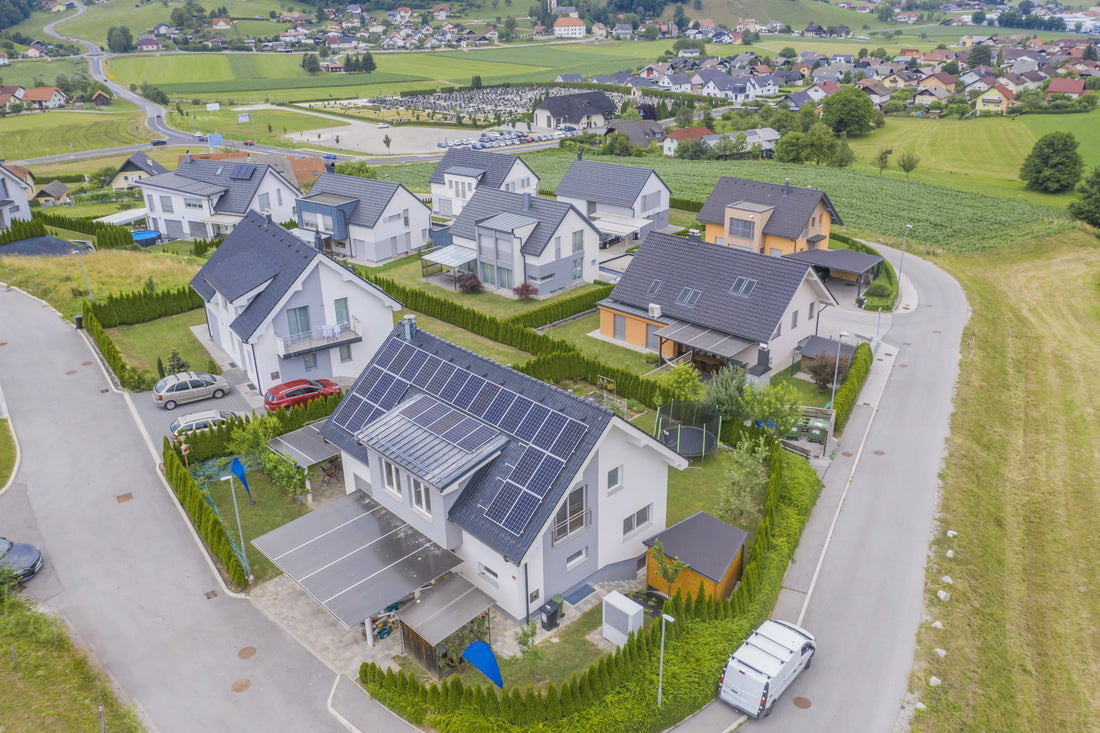
Solar adoption in the U.S. is rapidly rising. In 2025 alone, small-scale photovoltaic generation is estimated to reach 63,274 GWh. But homeowners are often confused by this question: What is the average size of a residential solar system, and which size fits my home?
The average residential solar system size in the US is between 6kW and 8kW. In this article, we’ll dive deeper to examine panel dimensions and system capacity, so you avoid choosing a system that is too small or doesn’t fit your available roof space efficiently.
Because solar systems are designed to last for decades, choosing the right size from the beginning is important. Choosing the right system size early on can help avoid future adjustments and unnecessary costs. Here are a few statistics highlighting solar adoption in the U.S.
What Does "Solar Panel Size" Actually Mean?
When homeowners talk about solar panel size, they usually mean one of two things: physical panel dimensions or total system capacity. Let’s start with the basics. We’ll define and distinguish the solar panel's physical dimensions and wattage.
The Physical Dimensions of Solar Panels
The average residential solar panel size in the U.S. is around 65 by 39 inches, or about 5.4 by 3.25 feet. For higher per-unit output, commercially used panels are around 78 by 39 inches. The average weight of residential panels is around 40-50 pounds. All of this information matters when evaluating whether a roof can fit the PV array size or structurally handle the load.
Solar Panel Wattage Explained
Panel wattage can be defined as the amount of electricity a single panel generates under ideal sunlight conditions. Typical residential panels produce between 400W and 500W. A higher-wattage panel will help you reach your daily output target faster, costing more per module but requiring fewer panels and saving space.
For a practical residential example, a 6 kW system could use:
- 15 × 400W panels
- 12 × 500W panels
Even with higher costs, your installation process will require fewer panels, clamps, racking, and area, so an in-depth, professional cost comparison is advisable.
Average Residential Solar System Sizes: What Fits Your Home?
Understanding where the average residential solar system size falls within the categories below can help you better understand what system size may suit your home before consulting an expert.
Common Solar Panel Sizes Compared
| System Size | Approx. Panels Needed | Estimated Roof Space | Best For |
|---|---|---|---|
| 4 kW | 10–12 panels | 200–250 sq ft | Small homes, low usage |
| 6 kW | 15–18 panels | 300–400 sq ft | Average 1,500–2,000 sq ft home |
| 8 kW | 20–24 panels | 400–500 sq ft | Medium-large homes |
| 10 kW | 25–30 panels | 500–650 sq ft | Large homes, EVs, pools |
| 12 kW | 30–36 panels | 600–750 sq ft | High-usage households |
Typical Residential System Sizes, Broken Down
- 4kW: Best-suited for smaller homes with moderate energy demand. Roughly 10-12 panels are needed.
- 6kW: The most common average residential solar system size installed across the US. Typically requires 15 to 18 panels.
- 8kW: A good fit for medium-to-large homes or higher energy consumption households. Requires 20 to 24 panels.
- 10kW to 12kW: Built for larger homes, EV charging loads, or near-full energy independence. Requires 25 to 30-plus panels.
Solar System Size by Home Size
Home size is only a rough starting point. Actual electricity usage is far more important when sizing a solar system. Small homes under 1,500 sq ft are well-suited to a 4kW to 6kW system. Mid-size homes between 1,500 and 2,500 sq ft work best in the 6-8 kW range. Homes over 2,500 sq ft with high HVAC loads often require 10kW or more to meet energy demand.
Solar System Size by Electricity Usage
Your utility bill’s kWh data is the most useful sizing input. 12 months of accumulated power usage divided by 1,200 gives you an estimated PV system size in kW. For example:
- Monthly usage: 900 kWh
- Annual usage: 900 × 12 = 10,800 kWh
- Estimated system size: 10,800 ÷ 1,200 = 9kW
The home would need an approximately 9kW PV system. This is a rough estimate; let’s dive deeper to understand the steps for a precise calculation.
Recommended Read:
How to Calculate the Right Solar System Size: Step-by-Step Guide
Calculating the right average residential solar system size means working with real numbers from your property, not industry averages. Follow these six steps:
- Gather your usage data. Pull 12 months of utility bills and total your annual kWh consumption.
- Run the baseline calculation. Divide annual kWh by 1,200 to get a starting system size estimate in kW.
- Factor in local sun hours. Look up peak sun hours for your area. Adjust down for the Pacific Northwest or up for the Southwest; these differences can noticeably change the final system size estimate.
- Apply efficiency losses. Build in a 20-25% reduction for inverter conversion, wiring resistance, and temperature effects.
- Calculate panel count. Divide your adjusted kW target by individual panel wattage (400W to 500W range) to determine how many panels you need.
- Validate against your roof. Confirm you have enough unshaded, structurally sound space for that panel count. If not, adjust panel wattage or revisit system size.
Roof Space Needed Per kW
50-70 sq ft of usable roof space is needed for every kilowatt of solar capacity. An average residential solar system size of 6kW requires approximately 300-400 sq ft. Similarly, a 10kW system would need a 500-600 sq ft range of space.
Quick reference:
- 4kW system - 200 to 250 sq ft
- 6kW system - 300 to 400 sq ft
- 8kW system - 400 to 500 sq ft
- 10kW system - 500 to 650 sq ft
Factors That Reduce Usable Roof Area
Even a well-dimensioned roof loses usable space to the following:
- Chimneys and roof vents
- Skylights and similar obstructions
- Shading from trees, dormers, or nearby structures
- Fire safety setbacks, typically 3 feet from ridges, edges, and hips per most local codes
Considering these factors before finalizing the PV system size helps you avoid costly redesigns due to compliance or permitting issues.
Recommended Read:
Step-by-Step Solar Installation Guide: Plus Costly Mistakes to Avoid
Mistakes to Avoid When Sizing a Solar System
Precise system sizing goes beyond panel count and energy output, so it’s important to plan carefully to ensure efficiency, costs, and long-term performance.
- Ignoring future energy needs: If you plan to purchase an electric vehicle, install a heat pump, or add a pool, include these future upgrades in your sizing analysis. Increasing energy capacity later is significantly more expensive than planning for it now.
- Overlooking shading issues: Ensure that not even a single panel is shaded, as this can degrade performance across the entire array. A comprehensive pre-installation shade analysis is mandatory.
- Choosing panels based only on price: Low-cost solar panels typically produce less wattage, requiring extra panels and more space to achieve the same energy output. While initial savings are appealing, they reduce efficiency in the long term.
- Not considering the roof condition: Determining the average residential solar system size for a roof is wasteful if the roof needs replacement in a few years. You end up spending twice the cost and effort to remove, re-roof, and reinstall the solar panels. Review structural issues before making any concrete decisions.
Conclusion
Your average residential solar system size depends on individual energy needs and site conditions. 6-8 kW typically covers daily consumption for most U.S. households, but the exact amount depends on actual energy consumption data, roof size and layout, and future energy usage plans. A properly sized PV system can operate efficiently for many years when the sizing analysis is accurate.
A professional site assessment helps determine the right system size more accurately, making evaluation as important as execution.