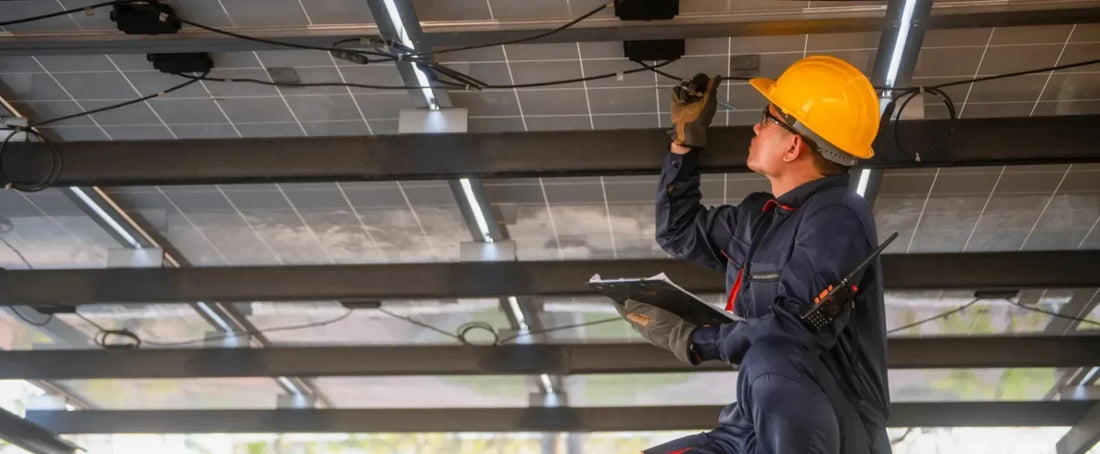
Homeowners and businesses across the U.S. are increasingly moving towards solar energy, a sustainable and cost-effective option that requires minimal yet essential upkeep. Following the ideal solar panel maintenance tips can increase the average performance ratio from 91.7% to 95% or more, maximizing energy output and overall lifespan. This may seem like a minor improvement, but it stacks up year after year.
Maintaining peak condition, clean solar panels require routine attention rather than intensive care. If neglected, efficiency and energy production may gradually decline due to pollen, bird droppings, leaves, storm debris, and other debris. To simplify ongoing upkeep, we’ll begin with a practical Solar System Maintenance Checklist.
Essential Solar Panel Maintenance Checklist
Your Photovoltaic (PV) system thrives with just consistent vigilance and occasional cleaning. To make things easier, we've created a comprehensive checklist, covering everything from routine monitoring to post-storm checks.
| Task | Frequency | Description |
|---|---|---|
| Monitor Energy Production | Monthly | Review energy output in the monitoring portal and address any abnormalities. |
| Inspect Inverter Lights | Monthly | Status indicators must be monitored for any error codes or warnings. |
| Check Panels for Debris | Quarterly | Schedule a cleaning if you see visible buildup of pollen, dirt, leaves, droppings, etc. |
| Inspect for Physical Damage | Quarterly | Check the panels for cracks or discoloration, and examine the wiring and mounting hardware for loose connections or corrosion. |
| Clean Solar Panels | Biannually | Simply wipe down using a soft brush or cloth with plain water. Avoid pressure washers and chemical cleaners. |
| Trim Surrounding Vegetation | Annually | Manage surrounding trees and shrubs to keep them from casting shade over your array. |
| Professional System Inspection | Every 1–2 years or as needed | Call a licensed technician to review wiring, inverter, panels, and mounting integrity. |
| Post-Storm System Inspections | After severe weather | Check for structural damage and displaced racking or panels. Monitor output data and investigate further if there's a drop. |
This simple checklist can help you address minor solar panel maintenance issues before they turn into costly repairs. A typical PV system should run at full efficiency for 25+ years with proper, routine monitoring. Let’s discuss further why solar panel maintenance matters.
Why Regular Solar Panel Maintenance Matters
PV arrays are designed to persist over time. Good quality panels lose approximately 0.5-1% energy output every year, delivering almost 80% of their original capacity after 25 years. The lifespan of your system is determined by how well you maintain it over time.
When solar panel systems are left unchecked, the gradual decline in output accelerates, reducing your return on investment.
Here's what happens when you follow solar panel maintenance tips:
- Optimal energy output: Unobstructed, clean panels absorb and convert more sunlight, maximizing energy production.
- Extended system lifespan: Routine monitoring and care reduce the chance of wear on inverters, wiring, panels, and mounting components.
- Early fault detection: Cracks, defective connections, and wiring faults, if caught early, can substantially save your maintenance budget.
- Reduced repair costs: Proactive solar installation and maintenance are consistently cheaper than emergency repairs.
- Improved safety: Unmonitored or neglected electrical components, especially after weather events, can cause real risk to homeowners.
Did you know?
Soiling alone accounts for annual production losses of 4.3%-7.5%, with most studies reporting roughly 6% per year. Arizona-based PV systems showed that increasing the cleaning frequency from once to three times annually reduced soiling loss by 37%.
This is a direct, measurable gain in energy output. In Michigan, Wisconsin, and Maine, snow accumulation on a PV array can decrease annual energy output by 10-16%. Arid states like Colorado suffer from a 2-4% reduction in production, while southern states see a much smaller fraction of 0-2%.
These are documented, well-researched cases of recurring losses, which can be easily managed with routine care. Now that we understand the foundation, let’s move on to the actual, practical solar panel maintenance tips that keep your system running at optimum capacity.
8 Solar Panel Maintenance Tips for Long-Term Care
Maintenance of solar panels isn’t too complex, but one wrong move can cause more damage than expected. From routine cleaning to hardware checks, here are a few expert tips that you can follow:
1. Clean Panels the Right Way
Most dirt can be removed by rinsing with plain water, but in dry regions, warm water is advisable because cold water may stress the glass surface from a sudden temperature shift.
Q1: How often should you clean your solar panels?
A: Most U.S. solar panel systems benefit from cleaning every 3–6 months.
Q2: How to clean solar panels when smoke, soot, or stubborn industrial grime clings to your PV systems and you’re unable to clean them with water?
A: Try this approach.
- Add a small amount of mild dish soap to clean water
- Rinse the panels first to loosen and remove the surface dirt
- Gently scrub with a soft sponge or squeegee, avoiding abrasive materials
- Rinse again thoroughly with clean water
- Wipe the surface dry to prevent mineral deposits
A few things to avoid at all costs: pressure washers, chemical cleaners, and abrasive cloth or tools. You should be careful not to damage the anti-reflective coatings, which can affect light absorption and void your warranties.
Lastly, avoid contact with electrical components, and don’t walk on the panels for your own safety. Always remember to call a professional when in doubt.
2. Handle Snow and Ice With Care
You don’t have to worry about a light snow situation, as it typically melts off on its own. But heavy snow accumulation needs to be cleared manually.
Use a soft roof rake or brush to gently, carefully push the snow down without cracking the panel surface. Large snow masses can damage equipment or injure people if you are not cautious. It’s advisable to wait for professional or natural melting rather than risking an accident.
3. Inspect Hardware Periodically
Mounting components, bolts, wiring, and panel conditions must be visually checked to detect problems early. Check for:
- Rusted or loose mounting bolts: Minor rust is acceptable, but corroded bolts may loosen, affecting the panel angle and directly impacting energy output.
- Panel surface defects: If you notice cracks, chips, or delamination without any major weather event, these might be signs of a manufacturing defect that could be covered by a warranty claim.
- Frayed or chewed wiring: Rodent or insect damage can damage wiring and junction boxes. A licensed electrician must be called immediately; don’t DIY wiring repairs.
Recommended Read:
4. Monitor Your Performance Data
Modern PV systems feature monitoring apps or inverter displays that can be regularly checked for performance. Proactive checks can indicate unexplained drops in output, irregular fluctuations, and inverter error codes.
These problems often occur due to soiling, shading, or an electrical issue, even without any physical evidence. Tracking performance trends can help you make data-driven maintenance decisions for your solar panel array.
5. Manage Vegetation Proactively
Shading from overgrown trees and shrubs during peak sunlight hours reduces output across multiple panels. Trim surrounding vegetation at least once a year, and plan how nearby growth will impact your solar panels in the years to come.
For ground-mounted systems, weed and grass control is crucial for maintaining optimal performance and reducing fire risk.
6. Know Your Warranty Before You Touch Anything
This step is commonly overlooked by homeowners. Before any maintenance or cleaning efforts, you must confirm:
- Cleaning methods and materials approved by the manufacturer
- Whether a certified technician is mandatory for maintenance to keep warranties valid
- The procedure for filing a claim if the PV system is damaged or defective in any way
Risky cleaning methods or uncertified service providers can void your warranty, turning easy fixes into hefty replacement projects.
7. Keep Maintenance Records
Document every inspection, cleaning, and repair, including dates and details of any component replacements. This approach makes it easy for you to file a claim when needed, track long-term performance trends, and provide a complete service history if you’re selling the property.
8. Call a Professional When Needed
DIY maintenance can help you to a certain extent, but advanced repairs require you to call licensed technicians and electricians. The annual maintenance cost of solar panels for professional inspections and servicing is nothing compared to the potential costs and risks of accidental damage.
A well-maintained PV system is not about major repairs; it is usually the result of small, regular efforts that help optimize performance for years. Let’s move on and summarize the key takeaways.
Conclusion
Solar panel systems are designed to operate reliably for decades, and keeping them in optimal condition usually requires less effort than you expect. Adhering to the right solar panel maintenance tips helps protect energy output, support equipment lifespan, and reduce the risk of avoidable repair costs.
Solar power maintenance can be explained in a few practical habits: monitoring performance, keeping panels free of excessive dirt buildup, checking visible components, and addressing issues before they become larger problems. Consistent care is the simplest way to protect long-term energy performance.