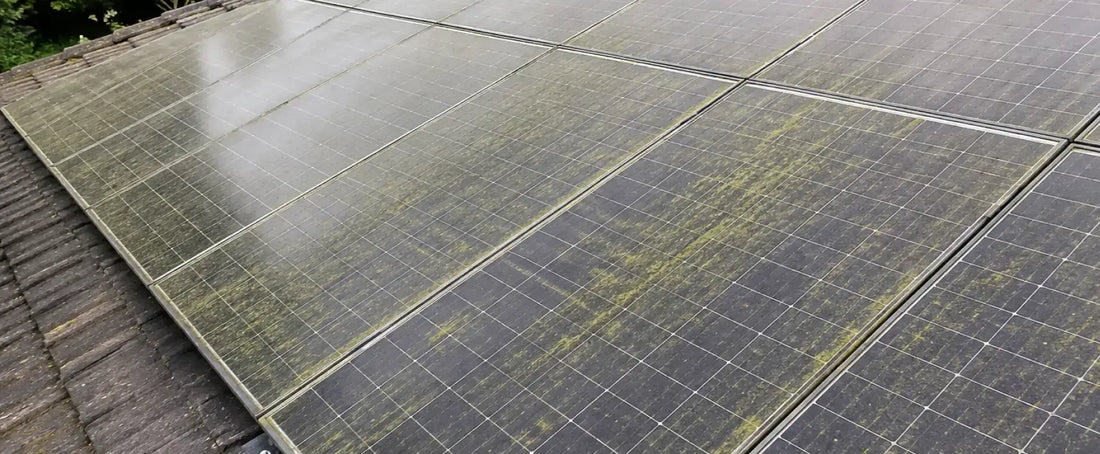
Dark streaks on shingles are not dirt, and they will not weather away on their own. Knowing how to remove algae from roof shingles protects your home's appearance and the granules that help keep your roof watertight
Roof Algae Explained: What Those Black Streaks Actually Are
Start by identifying what is actually growing up there.
Black algae on roof surfaces are blue-green cyanobacteria called Gloeocapsa magma. Spores settle on damp shingles and multiply, and their dark, UV-resistant sheaths create the black streaks visible from the curb.
Algae discoloration starts as small spots, then rain carries spores downslope, forming long vertical streaks. On its own, algae only makes a roof look aged and poorly maintained. Left alone, the moisture it holds invites moss and mold, which can lift shingles and damage the deck below.
What Causes Algae to Grow on Roof Shingles
Algae needs three things to spread, and most asphalt roofs in the U.S. provide all three.
- Lingering moisture: North-facing slopes get the least sun, dry last, and stain first.
- Shade: Overhanging branches block sunlight and drop debris that holds water.
- Humidity: In the South, Midwest, and coastal states, unprotected roofs streak within three years.
Asphalt adds a fourth factor: many shingles contain limestone filler, and algae feed on the calcium carbonate in it, which is why algae on roof shingles outpace staining on metal roofs.
Knowing what feeds it makes removal a controlled process.
How to Remove Algae From Roof Shingles? Step-By-Step Breakdown
The goal is to kill the organism and let rain carry it away, not scrub it off.
Tools and Materials You Will Need
- Laundry-strength chlorine bleach, or oxygen bleach for lower toxicity
- A garden pump sprayer and a garden hose
- Tarps to cover landscaping
- A stable ladder, non-slip shoes, gloves, and goggles
- A soft-bristle brush for thick growth
The Five-Step Removal Process
- Protect your lawn: Wet down shrubs and other plants, and cover them to protect from cleaning chemical runoff.
- Apply the solution: A 50:50 mix of laundry-strength chlorine bleach and water is the most effective approach.
- Let it soak: Leave the solution for 15 to 20 minutes, and never let it dry on the shingle surface.
- Rinse at low pressure: Wash off the ridge downward with a garden hose. Remaining dead algae will gradually wash away with rain.
- Let your roof dry: Allow the shingles to dry. If heavy staining remains, simply repeat the treatment.
Dealing with black streaks on your roof? Check out this Reddit discussion from r/Roofing, where users discuss possible ways to clean roof stains from the ground and share their experiences with roof maintenance: Our roof has black streaks. Is there any way to clean them from the ground? (r/Roofing)
Just as important is avoiding the shortcuts that can permanently damage your shingles.
Roof Cleaning Mistakes That Damage Shingles
Most damage during roof algae cleaning comes from three habits.
Why a Pressure Washer Ruins Asphalt Shingles
Never pressure wash an asphalt roof. High pressure strips the granules that shield the asphalt from UV radiation, leaving bare spots on roof shingles.
Why Hard Scrubbing Costs You Granules
A soft brush used gently and worked downward can loosen stubborn algae. Aggressive scrubbing does the same damage as a pressure wash.
Why Walking on a Wet Roof Is a Safety Risk
Wet algae is extremely slippery, and ladder falls injure tens of thousands of people each year. Without fall protection, work from the ladder and check your roof pitch first.
Cleaning restores appearance, while prevention keeps the streaks away.
How to Prevent Algae Formation on Roof Shingles After Cleaning
A clean roof stains again unless the underlying conditions change.
Trim Back Overhanging Branches
Cutting and managing branches reduces shade on your roof, limits debris, and helps slopes dry faster.
Let More Sunlight and Airflow Reach Your Roof
Sunlight is the cheapest algae treatment available. Make sure the shingles receive enough sunlight and airflow, and keep the gutters and attic vents clear to prevent moisture buildup.
Install Zinc or Copper Strips at the Ridge
Rain washing over zinc or copper releases small amounts of metal ions that help prevent algae growth below. Install a narrow strip beneath the shingles near the ridge.
Book Roof Inspections on a Schedule
Routine roof maintenance and inspection can spot curling shingles, missing granules, and weak decking before they become costlier roof problems.
- Clear gutters and debris twice a year.
- Keep tree branches clear of the roof.
- Keep attic ventilation unobstructed.
- Inspect north-facing slopes first.
- Fit zinc or copper strips near the ridge.
When Roof Algae Removal Should Go to a Professional
A few conditions when you shouldn’t consider the DIY approach.
- Steep or multi-story roofs.
- Dense moss with lifted or curling shingle edges.
- Slimy growth with a musty attic odor, which signals mold.
- Roofs with solar panels, skylights, or aging flashing.
Professional help comes with inspection, showing whether cleaning or replacement is smarter.
Where Roof-Tech Fits Into Roof Protection
Roof health also depends on what is installed on the shingles, not just what grows on them.
Roof Tech has built rooftop solar mounting systems since 1994 around one principle: the roof must stay watertight. AlphaSeal technology seals each mount to the shingle surface, so panels are installed without openings that trap moisture.
Interesting Read:
Conclusion
The bleach mix kills the algae, rinsing and rain clear it away, and the granules stay intact. Keeping it from returning takes something different: more sunlight on the roof, better airflow, and regularly scheduled inspections.